Overcoming First-Date Nerves as a Disabled Single
It’s Okay to Be Nervous — Everyone Feels It
Feeling nervous before a first date? You’re not alone. Whether you’ve been dating for years or it’s your first time in a while, those butterflies mean you care. They show you’re excited about connecting with someone new — not that you’re doing something wrong.
Even the most confident people get jitters before meeting a potential match. The key is to embrace those feelings rather than fight them. Remind yourself: nerves are just your body’s way of saying, “This matters to me.”
A little pre-date anxiety can actually help you stay alert and engaged. The goal isn’t to eliminate the nerves completely — it’s to manage them so you can be present, authentic, and open to connection.
Prepare With Confidence, Not Pressure
Preparation helps ease anxiety, but too much pressure can make you overthink. Focus on setting yourself up for comfort rather than perfection.
Here are a few ways to prepare calmly:
- Plan your transportation and timing so you’re not rushed.
- Choose a familiar, accessible location to feel at ease.
- Think of light conversation topics — shared interests or fun icebreakers.
- Set realistic expectations: this isn’t an audition; it’s two people meeting.
Remember, preparation should boost your confidence — not make you anxious. You’re not there to impress someone by being flawless; you’re there to see if there’s a spark built on authenticity and kindness.
Dress for Comfort and Self-Empowerment
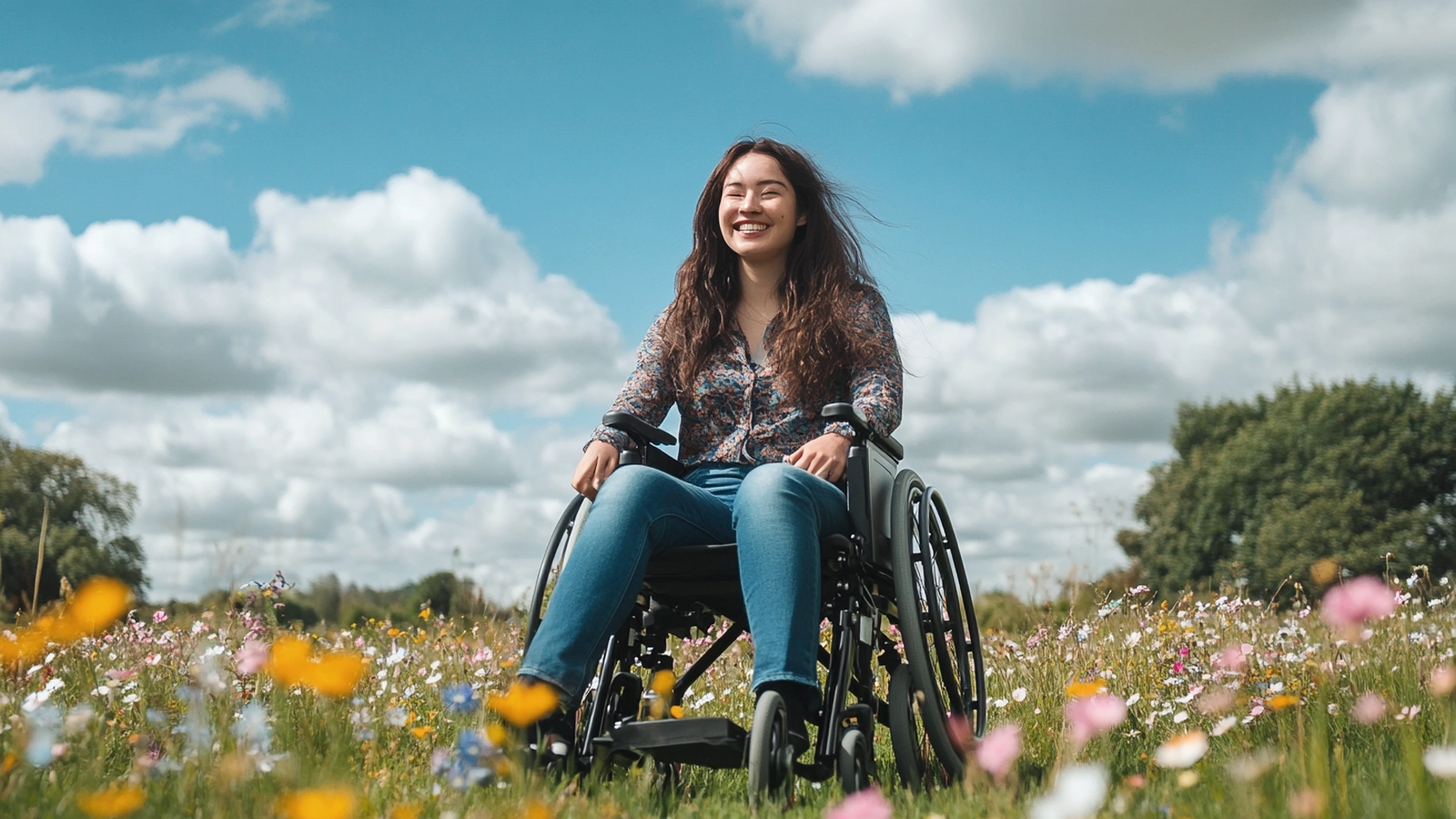
Your outfit can influence how confident you feel. The best choice isn’t the fanciest one — it’s the one that makes you feel comfortable, capable, and attractive.
When choosing what to wear:
- Pick clothes that fit well and are easy to move in.
- Add a color or accessory that makes you smile.
- Keep comfort in mind, especially if you use adaptive clothing or mobility aids.
Feeling good in your outfit boosts your self-esteem and helps you focus on the connection, not your appearance. When you look in the mirror, the goal is to think, “Yes, this feels like me.”
Plan an Accessible and Enjoyable Setting
Accessibility isn’t just a practical concern — it’s part of creating a stress-free, enjoyable experience. Choose a location where you can focus on your date instead of logistics.
Look for venues that are:
- Physically accessible (ramps, elevators, wide entrances).
- Sensory-friendly, if noise or lighting are concerns.
- Familiar, so you already know what to expect.
If you’re unsure about accessibility, call ahead or check reviews. This isn’t overthinking — it’s taking care of yourself. When your environment supports you, you can relax and let the connection unfold naturally.
Focus on Shared Interests, Not Limitations
It’s easy to worry about what your date might think about your disability — but the best way to overcome that is by focusing on what you both enjoy.
Common interests build connection faster than anything else. Whether it’s books, music, movies, or food, shared enthusiasm helps the conversation flow and reduces self-consciousness.
By steering the focus toward things you both love, you remind yourself that you’re more than any label or limitation. You’re a multidimensional person with experiences, passions, and humor — all of which make you interesting and lovable.
Use Conversation Starters That Build Connection
Sometimes, nerves come from not knowing what to say. Having a few go-to conversation ideas can make things easier.
Try these natural conversation starters:
- “What’s your favorite way to spend a weekend?”
- “Have you seen any great shows or movies lately?”
- “What’s something you’re passionate about?”
- “If you could travel anywhere, where would you go?”
These open-ended questions invite deeper, more personal conversations — and they shift focus from anxiety to curiosity. Remember, dating is a dialogue, not a performance. Listen, respond, and let it flow.
Manage Pre-Date Anxiety With Simple Techniques
Anxiety tends to show up strongest right before the date — that’s normal. You can calm your mind and body with a few simple practices:
- Deep breathing: inhale for four counts, exhale for six.
- Visualization: picture yourself smiling, laughing, and enjoying the moment.
- Positive affirmations: say, “I am enough. I deserve to connect.”
- Grounding: focus on sensations around you — the sound of music, your breath, your posture.
Even a few minutes of mindfulness can transform anxious energy into calm anticipation. You’ve got this.
Address Disability Topics Naturally (If You Want To)
There’s no rule saying you must talk about your disability on a first date — but if you choose to, keep it natural and brief.
You might say something like:
“I use a wheelchair, so I picked a café that’s easy to access. I love this spot — their coffee is amazing.”
By blending accessibility details into normal conversation, you show confidence and ease. If your date has questions, answer what feels comfortable and redirect to shared interests. The key is to keep it part of your story — not the whole story.
Read the Energy, Not the Perfection
First dates rarely go perfectly — and that’s okay. What matters most is how the interaction feels.
Instead of overanalyzing every word or gesture, focus on emotional cues:
- Did you feel heard and respected?
- Did the conversation flow naturally?
- Did you laugh, smile, or feel at ease?
These signals say more about compatibility than anything else. A small awkward moment doesn’t define the date — chemistry and kindness do.
Celebrate Small Wins After the Date
You did it — you went on a date! That alone deserves celebration. Even if it wasn’t magical, it was progress.
Afterward, take a moment to reflect on what went well:
- You showed courage and self-love by putting yourself out there.
- You practiced communication and confidence.
- You gained experience for the next one.
Confidence grows through action, not perfection. Every date is a step toward comfort, clarity, and the connection you’re seeking.
Learn and Grow From Each Experience
Not every date will lead to romance, and that’s okay. Each experience teaches you something — about your preferences, your comfort zone, and your strengths.
Reflect without judgment: What did you enjoy? What would you change next time? Use these insights to improve your confidence, not criticize yourself.
Dating is a journey of learning — about others, but most importantly, about yourself. Growth happens in every “hello” and every “goodbye.”
Surround Yourself With Supportive Voices
Talk to friends, family, or online communities (like Handicap Dating) who understand your experiences. They’ll remind you that your worth isn’t defined by a single date.
Support systems help you stay grounded and positive. They celebrate your progress, offer encouragement, and remind you that dating is meant to be fun — not stressful.
When you have people who believe in you, it’s easier to believe in yourself too.
Remember: The Right Person Will See You, Not Your Fear
At the heart of every dating journey is this truth — the right person will see you for your heart, your humor, your resilience, and your spirit.
You don’t need to be flawless; you just need to be you. The right connection won’t be scared off by nerves, disability, or differences. They’ll be drawn to your authenticity.
So take a breath, smile, and go enjoy that first date. Love has a way of finding people who are brave enough to show up as themselves.